
How does brain injury severity affect the value of a legal claim?
The severity of your brain injury is typically the single most important factor in determining how much compensation you may receive. UK Courts use a structured framework to assess damages based on how significantly the injury affects your life, from a brief period of symptoms through to a permanent vegetative state. The more severe and lasting the harm, the higher the compensation bracket.
If you or a loved one has suffered a brain injury through an accident or medical negligence, our specialist brain injury solicitors can assess the full value of your claim. Get in touch with our teams in Bury St Edmunds, Cambridge, Ipswich, Leeds or Norwich.
How brain injury severity shapes a compensation claim
Brain injury claims are built around two main heads of loss. General damages, which is a claim for compensation intended to cover pain, suffering and loss of amenity, which is the measurable impact the injury has on your quality of life.
Special damages cover financial losses, including lost earnings, care costs, and ongoing treatment.
The severity of the injury directly determines the general damages figure and usually impacts the claim for special damages too.
The Judicial College Guidelines: how UK courts value brain injuries
In England and Wales, general damages in personal injury claims are assessed against the Judicial College Guidelines (JCG), currently in their 18th edition (as at April 2026). The JCG sets indicative brackets for each category of brain injury severity. These are starting points, not fixed sums. Your actual award will reflect the specific facts and evidence in your case.
The five severity categories used in brain injury claims
The JCG divides brain injury into five categories. Below is a summary of each, together with indicative general damages brackets.
Very severe brain injury
Very severe injuries cover cases involving a persistent vegetative state or near-total cognitive and physical disability, with little or no meaningful response to the environment. Life expectancy is often reduced. Indicative bracket: approximately £372,570 to £533,720.
Moderately severe brain injury
This category covers serious, long-term disability where the injured person requires substantial care from others, often for life. Examples include severe cognitive impairment, physical disability and significant behavioural changes. Indicative bracket: approximately £289,420 to £372,570.
Moderate brain injury
The moderate category is divided into three sub-brackets. These range from significant intellectual deficit and personality change at the higher end, down to concentration and memory difficulties with reduced capacity for work at the lower end. Indicative bracket: approximately £56,890 to £289,420.
Less severe brain injury
This category applies where there has been a good recovery, but some symptoms persist, such as poor concentration, mood changes or sleep disruption. These difficulties can still significantly affect work and daily life. Indicative bracket: approximately £20,240 to £56,890.
Minor brain injury
Minor injuries involve minimal or no lasting brain damage and a full, or near-full, recovery. The bracket reflects variation in symptom duration and severity. Indicative bracket: approximately £2,920 to £16,870.
How medical evidence determines severity
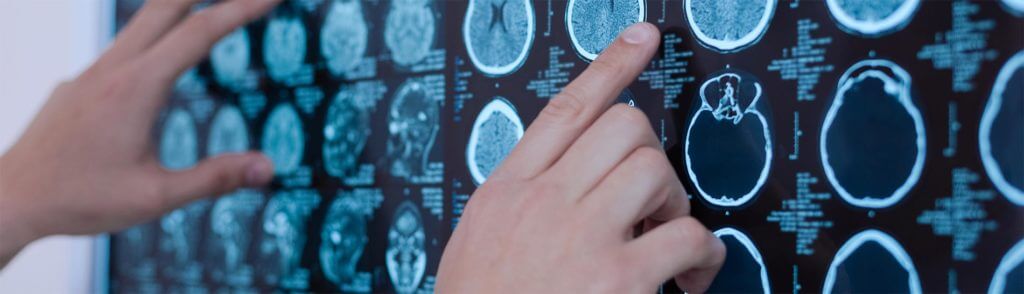
Severity isn’t established by symptoms alone; where possible, it’s built on objective clinical evidence. Key tools used in brain injury claims include:
- CT and MRI brain scans
- Glasgow Coma Scale (GCS) scores recorded at the time of injury
- Duration of post-traumatic amnesia (PTA) and presence of any retrograde amnesia
- Neurological and neuropsychological assessments
- Expert medical reports
Our solicitors work with leading independent medical experts to ensure your injury is accurately assessed and fully evidenced.
Beyond general damages: special damages and future losses
The JCG bracket covers only pain, suffering and loss of amenity. For moderate to very severe injuries, special damages can represent the majority of the overall claim value. These can include:
- Loss of earnings and future earning capacity
- Professional care costs, past and ongoing
- Occupational therapy and rehabilitation
- Accommodation purchase/adaptations and specialist equipment
- Case management fees
- Court of Protection deputy costs
Our in-house Court of Protection team and welfare advisors work alongside our litigation solicitors to ensure every future need is captured and fully costed.
The role of Periodical Payment Orders (PPO) in severe cases
In very severe brain injury claims, a single lump sum may not be the most effective way to fund lifelong care. Periodical Payment Orders allow part of a settlement to be structured as regular, index-linked annual payments. These rise in line with inflation, giving injured people and their families greater long-term financial security.
Other factors that influence the value of a brain injury claim
Beyond the JCG bracket and special damages, several other factors can affect the total value of your claim:
- Age at the time of injury (younger claimants typically have higher future losses)
- Pre-injury earnings and career trajectory
- Whether you have dependants
- Your ability to return to work, fully or in part
- Changes to life expectancy
- Contributory negligence, if your own actions contributed to the accident
How our brain injury solicitors build the strongest claim
We treat every brain injury claim as the life-changing situation it is. Our solicitors investigate liability thoroughly, instruct leading independent experts, and pursue early interim payments so that rehabilitation can begin without delay and any other financial needs are met. As signatories to both the Serious Injury Guide and the Rehabilitation Code, we place your recovery at the heart of everything we do.
Our team holds memberships with the Brain Injury Group, the Spinal Injuries Association, the Association of Personal Injury Lawyers (APIL) and the Motor Accident Solicitors Society (MASS). We also have in-house welfare and rehabilitation advisors, alongside Court of Protection specialists, so that every aspect of your long-term future is considered from the outset.
Frequently asked questions
What is classed as a severe brain injury in a UK compensation claim?
Severity is assessed by reference to a number of factors, including the Glasgow Coma Scale, brain imaging and the duration of post-traumatic (and any retrograde) amnesia. Medical experts will then consider all of the evidence and provide an opinion as to the appropriate category. In legal terms, severe injuries fall into the JCG’s very severe or moderately severe categories and involve long-term cognitive, physical or behavioural impairment requiring substantial ongoing care and support.
How long do I have to make a brain injury claim in the UK?
The general limitation period is three years from the date of injury or the date you first became aware of your right to claim. For children, the three-year period runs from their 18th birthday. Where the injured person lacks mental capacity under the Mental Capacity Act 2005, the limitation period does not run. Other (usually shorter) time limits apply where, for example, the accident took place abroad, on a ship or on a plane. It is therefore important that legal advice is sought as soon as possible.
Are brain injury settlement figures published?
The JCG provides indicative general damages brackets that are publicly available. Full settlement values, including special damages, are usually kept confidential. Published court judgments can also give an indication in specific cases.
Will I get more compensation if my brain injury was caused by medical negligence rather than an accident?
The JCG brackets apply equally regardless of how the injury was caused. The basis of liability affects who the defendant is (NHS Resolution in negligence claims, an insurer in accident claims) and the evidence needed to prove breach of duty, but it doesn’t change how general damages are assessed.
Can a mild brain injury still lead to a meaningful claim?
Yes. Even a minor brain injury can attract significant damages. We would always encourage you to seek legal advice, however minor you believe your injury to be.
How are children’s brain injury claims valued differently?
Children’s claims involve longer-term projections for heads of claim such as loss of earnings, care, and rehabilitation. They also frequently require the appointment of a Court of Protection deputy to manage funds and make ongoing decisions in the child’s best interests. Our in-house Court of Protection team has considerable experience in this area.
Do I need a ‘no win no fee’ solicitor for a brain injury claim?
Most brain injury claims are funded under a Conditional Fee Agreement (CFA), commonly known as ‘no win no fee’. Under a CFA, you pay nothing if your claim is unsuccessful. We offer ‘no win no fee’ funding for brain injury claims and will explain all costs clearly from the outset so you can make an informed decision.
Contact our brain injury solicitors today
If you or a loved one has suffered a brain injury, our specialist team is ready to help. We offer clear, empathetic advice and will work with you from day one to help you access the care and rehabilitation required, to advise upon and assist with your finances and otherwise advise upon and assist with all other aspects of your claim.
Get in touch with our brain injury solicitors in Bury St Edmunds, Cambridge, Ipswich, Leeds or Norwich. You can also complete our online enquiry form and a member of our team will be in touch shortly.
Tags: Brain injury, Head injury, Lawyers, Medical Negligence, Personal injury, Solicitors
How can we help you?
Our team of legal experts are here to support you. Contact our lawyers today.
If you are looking for a quote for residential conveyancing, please complete our dedicated form here: Conveyancing enquiry.
How can we help?
If you have an enquiry or you would like to find out more about our services, why not contact us?