Action for Brain Injury Awareness Week 2026
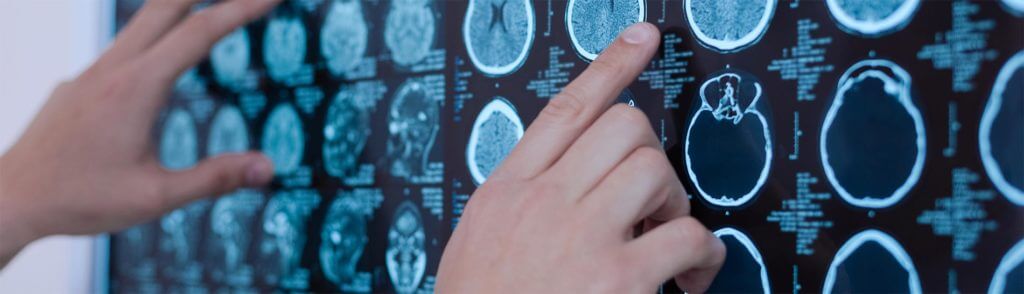
This week (Monday 18 May 2026 to Sunday 24 May 2026), we support action for brain injuries in a bid to raise awareness for those who have suffered a traumatic brain injury, their loved ones and all those impacted by the devastating effects.
Roughly 1.3 million people live with a traumatic brain injury-related disability, and it is estimated that every 90 seconds, one person is admitted to a hospital with a traumatic brain injury.
What is a brain injury
An injury to the brain may occur at birth or as a result of an event or illness that causes physical damage to the brain, resulting in physical or psychological effects.
What causes a brain injury
Brain injuries that have occurred after birth can be classified as traumatic (TBI) or acquired (ABI).
Traumatic brain injuries are caused by significant force or impact to the skull or brain. Examples include falls, motor-related incidents, blunt force or a strike to the head.
Acquired brain injuries are a result of non-direct physical factors. Some examples include a stroke, tumour or illness such as meningitis.
Impact of a brain injury
The reality is that there is less concern with the label than with the questions many are left asking afterwards: what does this all mean, and what happens now?
Those who have suffered a brain injury can present with a variety of symptoms ranging in severity from fatigue and impaired memory to total memory loss, a change in personality and even paralysis.
Studies have found that approximately 60% of adult offenders had a history of traumatic brain injuries. The significant behavioural shift caused by the injury can impact judgement and reasoning, making some individuals unrecognisable and highlighting the devastating impact of a brain injury.
Why is Action for Brain Injury Awareness Week necessary
Brain injury is often talked about as a medical issue, but in real life, it affects work, family life, confidence, relationships and independence all at once. During Brain Injury Awareness Week 2026, the conversation matters because earlier recognition, better rehabilitation and practical support can make a real difference to recovery and long-term outcomes.
Advocates argue that, due to the overwhelming number of people with brain injuries and the severity of the injury, rehabilitation for brain injuries should be as readily available, widely publicised, researched and funded as conditions such as cancer and dementia.
Rehabilitation programmes are vital to rebuilding independence with speech, mobility and cognitive development. However, it is equally important to recognise the impact on families. Rehabilitation facilities and organisations that advocate for awareness support not only the injured party but also their family and loved ones.
These organisations aim to help others learn how best to support someone with a brain injury and how to assist with rehabilitation. Recovery is only achieved through rehabilitation, which is why awareness and funding are paramount.
Related links
- Headway – Brain Injury Awareness Week
- NHS – Signs and symptoms of head injuries
- Impacts of brain injury
- Headway – Acquired brain injuries
- Traumatic brain injury statistics
- 90 second admission, comparison to cancer and dementia
- Headway – Importance of family members
Contact our medical negligence solicitors today
If you believe we can assist you when pursuing a Medical Negligence claim, please get in contact with us on 0330 191 4835 or fill out our online enquiry form.
Our experienced team of lawyers will be able to offer advice and guide you through every step of the claims process, and our in-house Client Support and Rehabilitation Service can help to support you through your recovery.
Tags: Acquired Brain Injury, Action for Brain Injury Awareness Week, Brain injury, Lawyers, Medical Negligence, Solicitors, Traumatic Brain Injury
How can we help you?
Our team of legal experts are here to support you. Contact our lawyers today.
If you are looking for a quote for residential conveyancing, please complete our dedicated form here: Conveyancing enquiry.
How can we help?
If you have an enquiry or you would like to find out more about our services, why not contact us?